China's National Day
Introduction
China's National Day, celebrated on October 1st, marks the founding of the People's Republic of China in 1949. It is a significant public holiday in China, akin to other national days celebrated around the world. The day is observed with various festive activities including parades, fireworks, and other cultural and patriotic events. It is a day that reflects both historical significance and national pride.
Historical Background
The establishment of China's National Day dates back to 1949 when the Chinese Communist Party, led by Mao Zedong, proclaimed the founding of the People's Republic of China. The announcement was made at Tiananmen Square in Beijing, which remains a central location for National Day celebrations.
Celebrations and Traditions
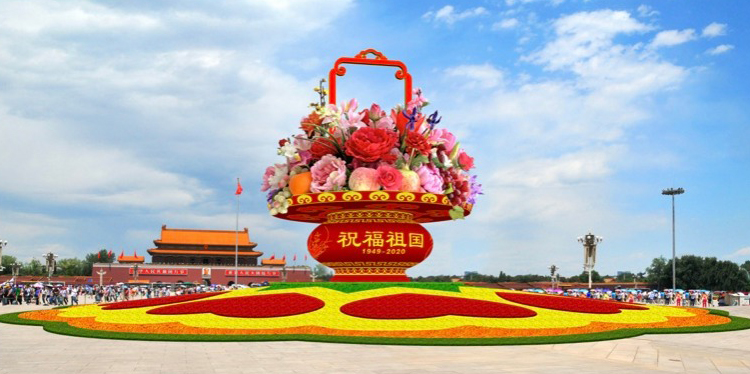
National Day celebrations are widespread across China and include significant events such as fireworks displays, and various cultural performances. Tiananmen Square, the symbolic heart of these celebrations, hosts a flag-raising ceremony that attracts thousands of spectators. Additionally, the entire week following October 1st is referred to as "Golden Week," a major public holiday period allowing citizens to travel and engage in leisurely activities.
Cultural Significance
The significance of National Day extends beyond mere commemoration; it is an expression of national unity and patriotism. The day serves to remind Chinese citizens of their country's historical journey and achievements. Cultural performances, including traditional music, dance, and the famous dragon dance, often take place, reflecting the rich heritage and diversity of China's regions.
Economic Impact
The "Golden Week" holiday spurs economic activity, particularly in the tourism and retail sectors. Domestic travel surges as many Chinese take advantage of the extended holiday period to visit family, explore national sites, or engage in recreational trips. This increase in travel and expenditure has notable implications for the hospitality and service industries across the country.








